My Journey from Hardtail to Full Suspension
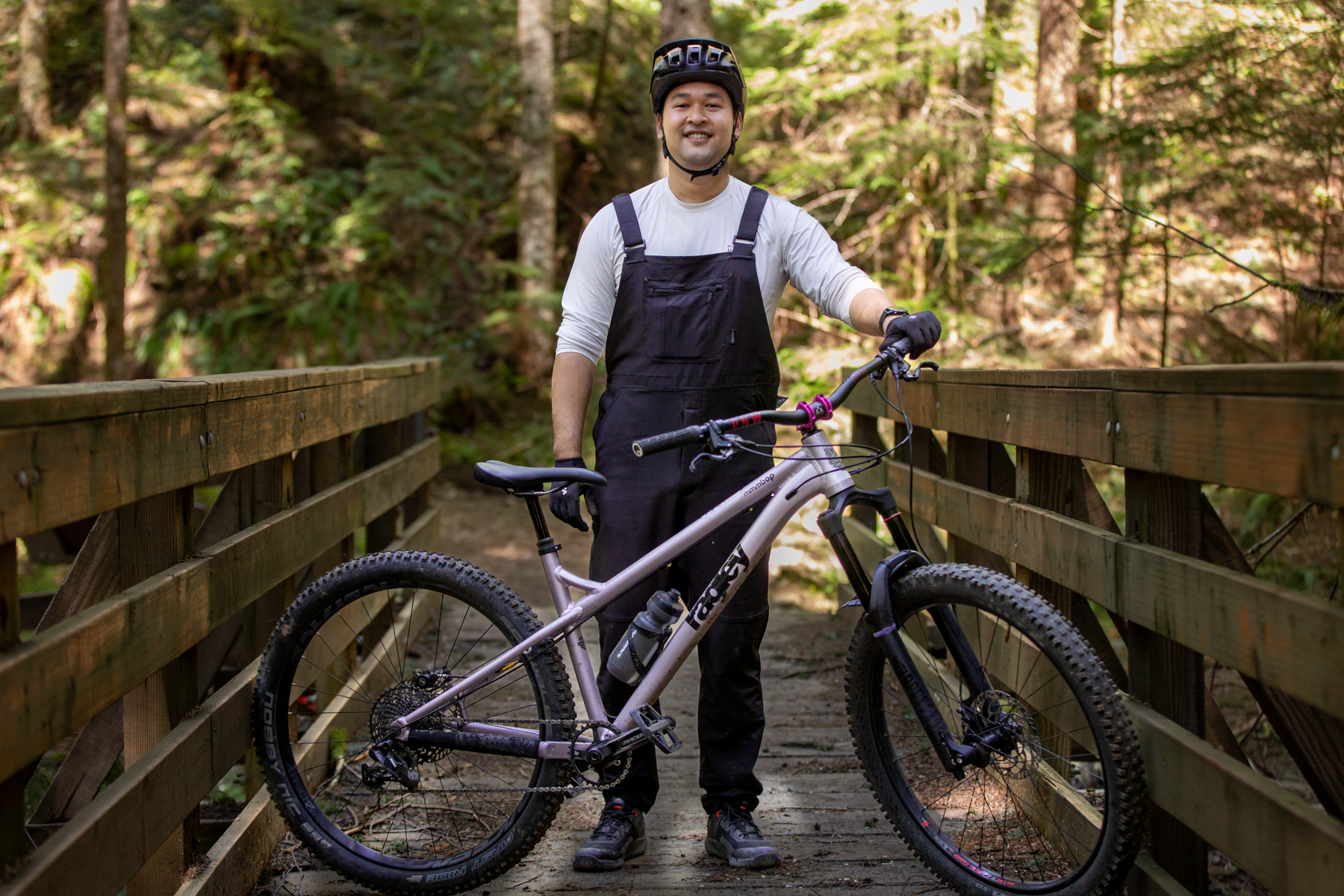
In Washington with the trusted Ragley MMBOP hardtail.
Author: Binit Shrestha
I’ve been riding my Ragley MMBOP hardtail for about four years now. As a weekend warrior, my longer rides are twice a week at best. My local loop usually includes Rocky Point, Sandy Ridge, Thrillium, and Cold Creek, with a few trips up north to Tiger Mountain, Raging River, Galbraith, and Orcas Island. The MMBOP has been my loyal companion through every trip, climb, and descent.
But as my rides got longer and gnarlier Thrillium laps, Timberline to Town descents, and a few “unnamed” local trails the idea of getting a full suspension started to make sense. The final push came when a friend, Jonathan, lent me his Rocky Mountain Instinct for a shuttle day at Cold Creek. After two brutal runs on my hardtail, I dropped in on the Instinct and felt like I’d just unlocked cheat codes smoother, faster, and somehow braver. By the time I got home, I was already building my Propain Tyee online, a bike I’d been eyeing for over a year.
The Switch
At first, I resisted upgrading. I wasn’t riding that often, and I could keep up with my friends so why spend more? But realizing how much recovery time I needed after every ride made me rethink things. The full suspension wasn’t just about speed it was about riding more often and feeling less wrecked after.
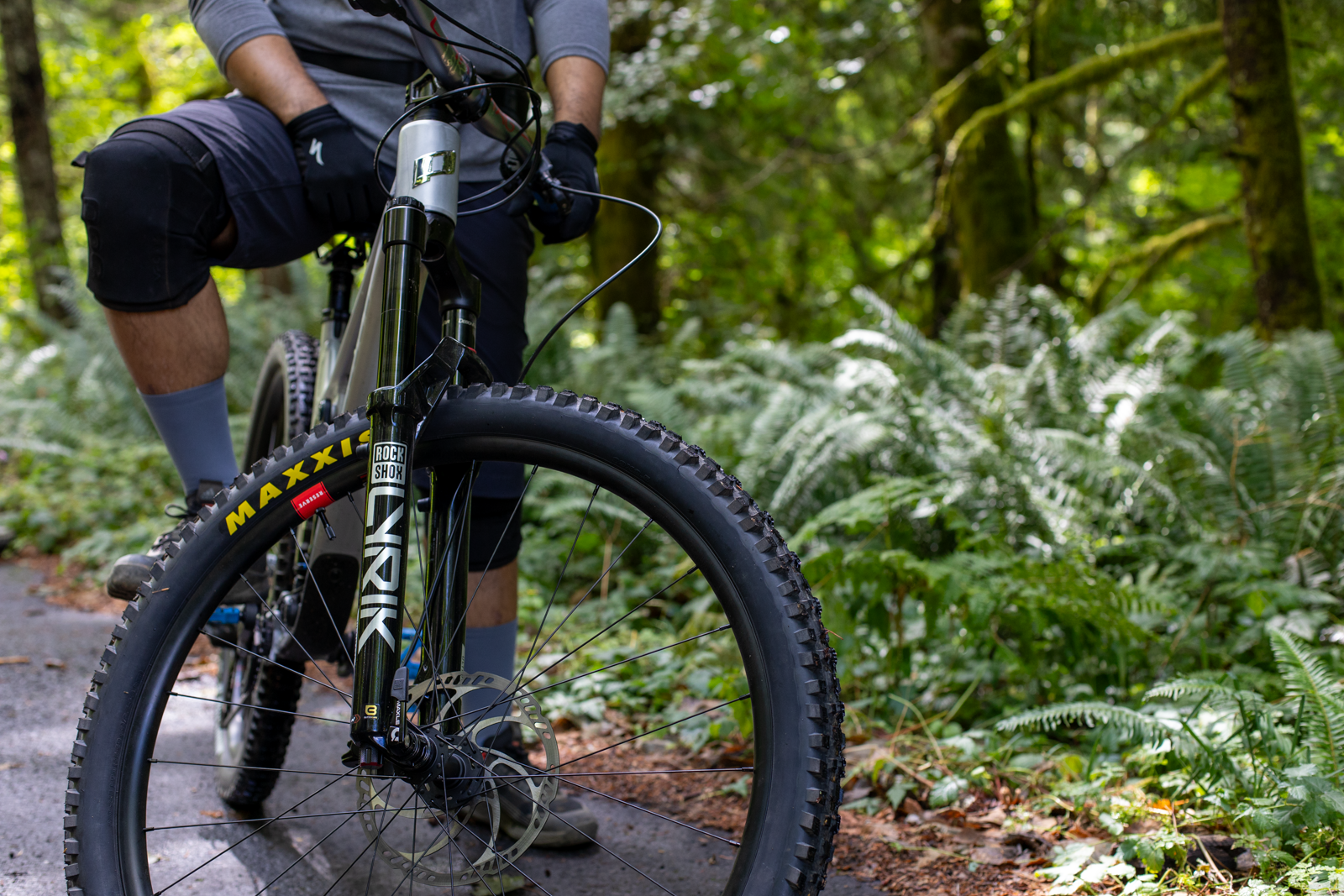
When choosing the bike, I had a few must-haves:
Mullet setup (29” front, 27.5” rear)
Modern geometry (steeper seat tube, long reach, slack head angle)
Alloy frame because I’m not the best at pampering bikes
160/160mm travel, perfect for trail and enduro versatility
My budget was around $2,500, but I stretched it to $2,800 for a sale build and sold off the stock parts I didn’t need. I surprisingly made back good returns for the stock parts and brought down my actual money spent under 2000.
The first ride was a mix of excitement and confusion so many things to dial in. A few too many knobs! But the biggest surprise? How quiet the bike was. With DT 350 hubs and proper damping, the only sound was tires meeting dirt. It felt like stealth mode on two wheels.
The geo of the bike felt familiar and confidence inspiring, it was a familiar ride feel but also so much different than the hardtail at the same time.
Ride Feel – Hardtail vs. Full Suspension
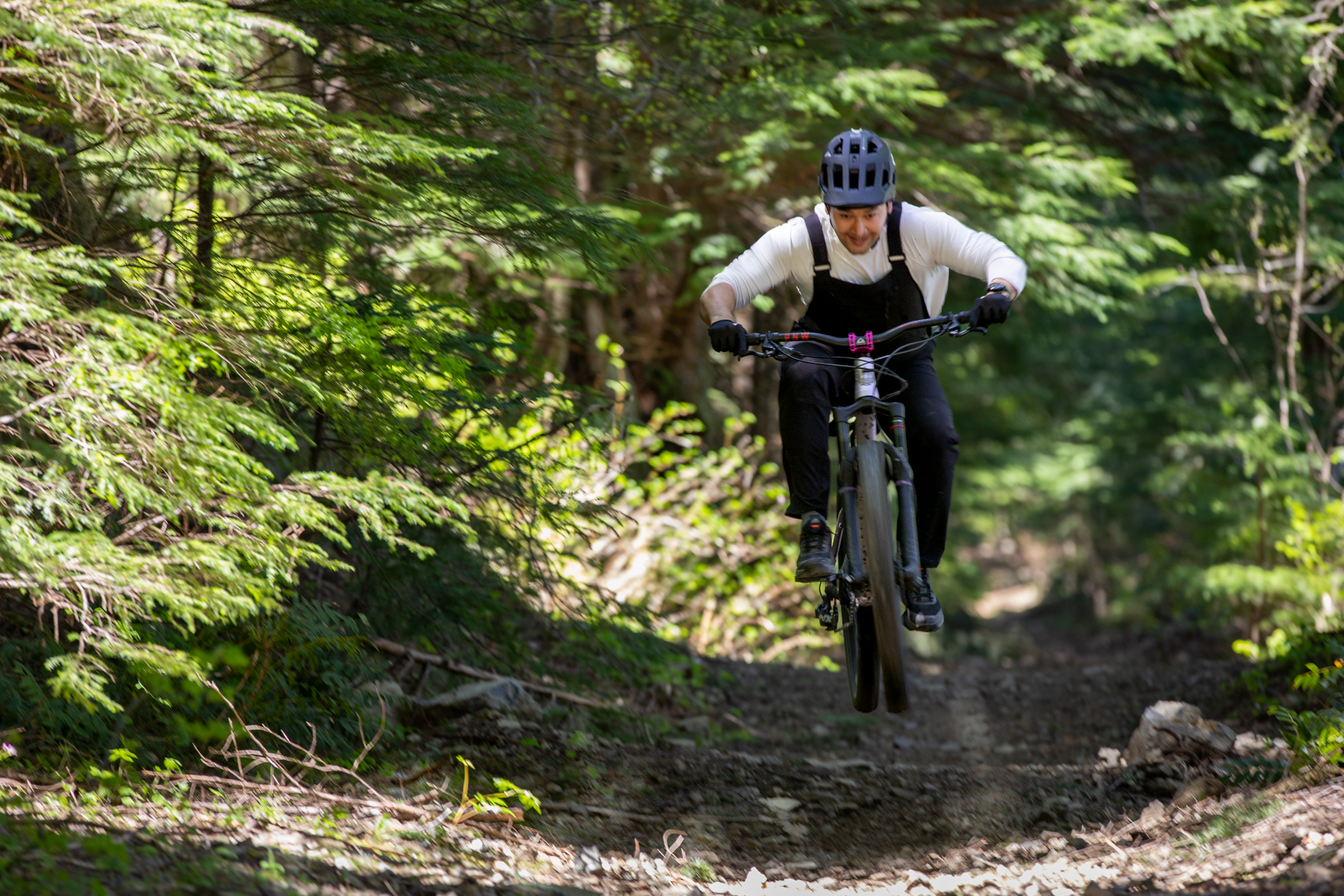
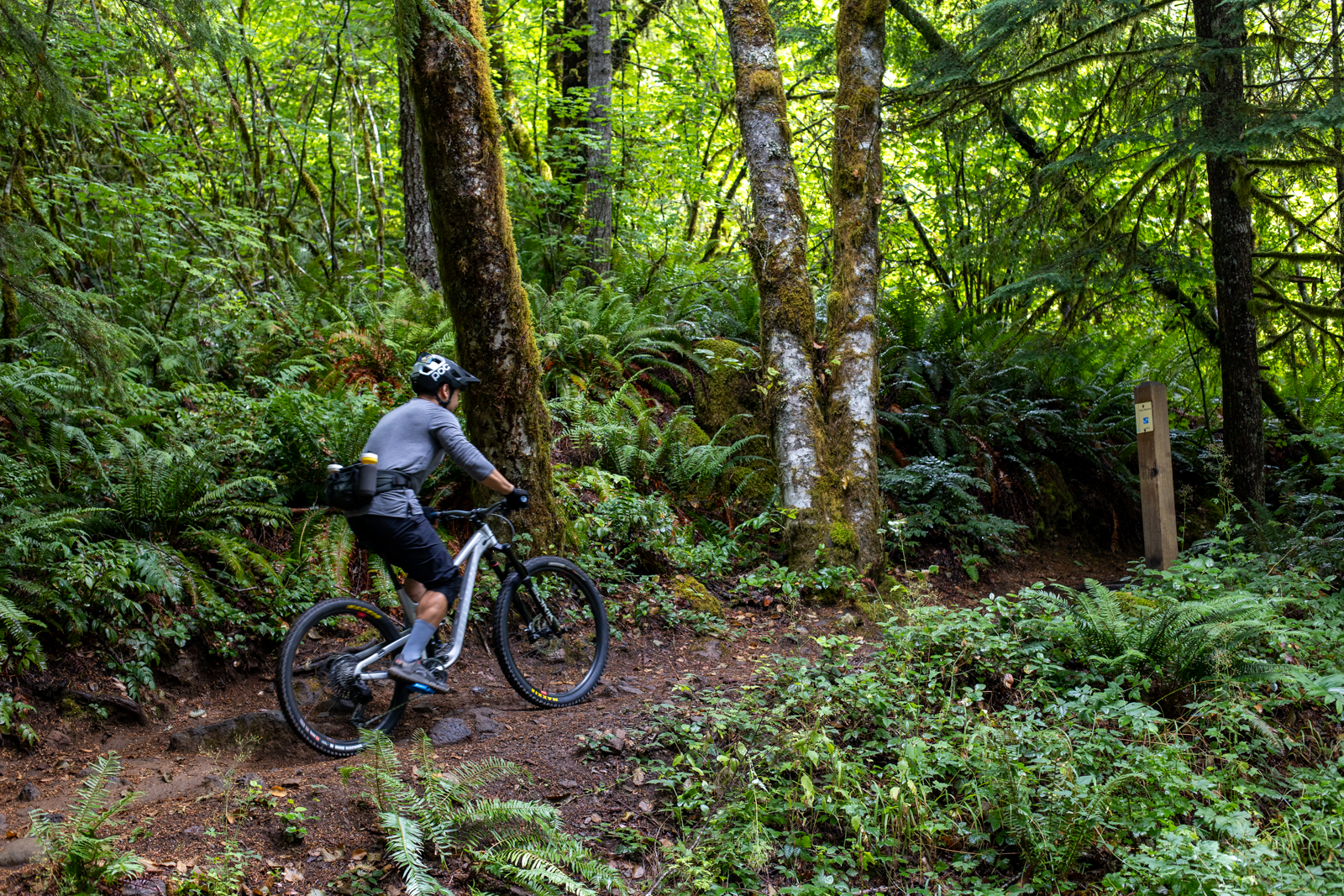
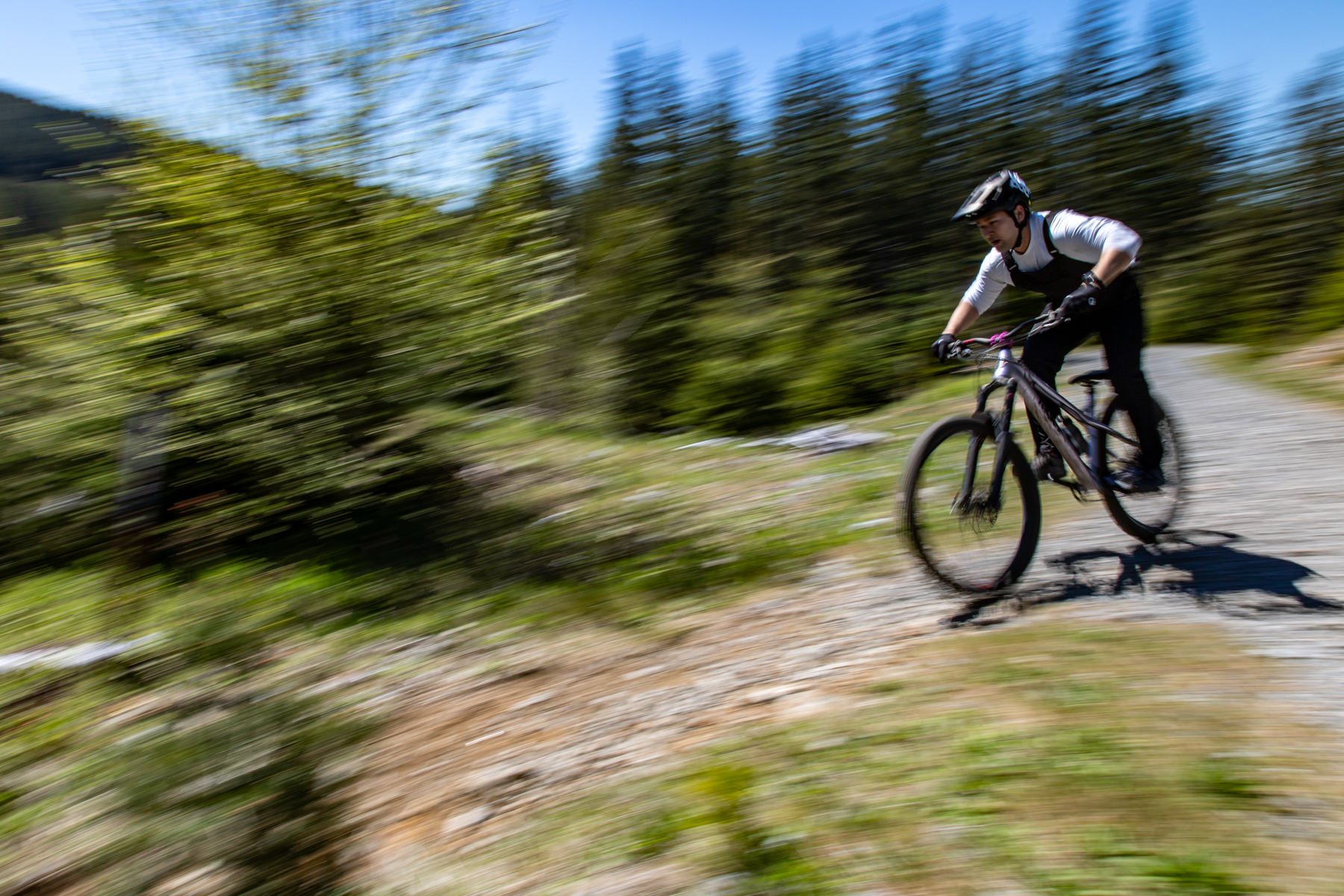
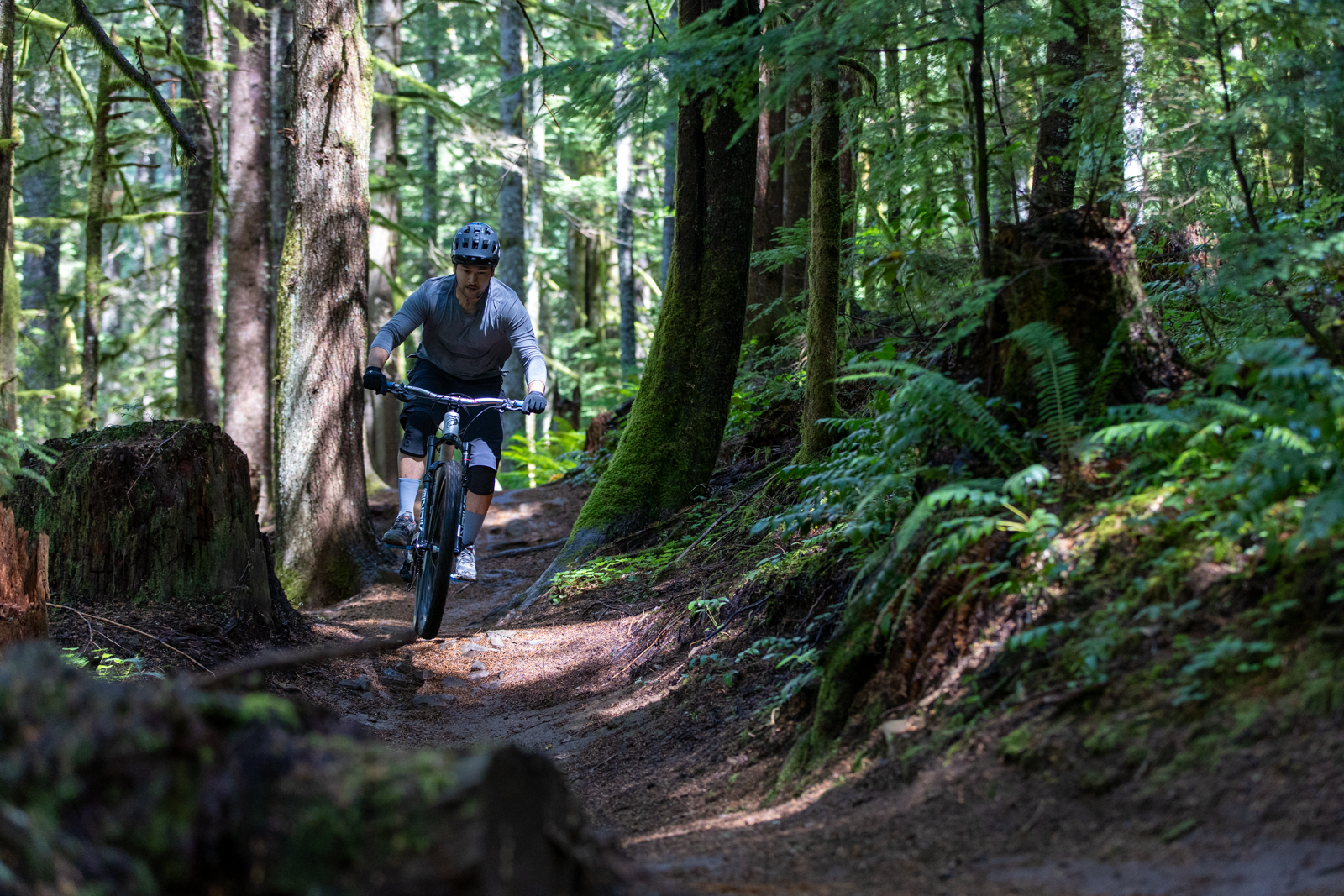
Climbing:
The Tyee climbs far more comfortably. Traction feels endless, especially on loose or rocky terrain. My hardtail made me laser-focused on every line choice; now, I can relax a bit and let the bike do the work.
Descending:
It’s night and day. The full suspension feels planted and stable, yet playful enough to pump through rollers and pop off side hits. I can keep speed through rock gardens that used to rattle my bones.
Handling:
Cornering is where the Tyee truly shines. G-outs and berms feel effortless, and I’m taking drops I used to avoid. It’s confidence-inspiring in a way that’s hard to describe until you’ve felt it.
Fatigue:
Post-ride energy levels are a huge upgrade. I used to collapse into the couch after a ride now, I can grab groceries or clean the bike without feeling dead.
Missing the Hardtail:
Sometimes I miss the raw feel especially on punchy technical climbs or steep chutes where my hardtail’s slacker front end excelled. But those moments are much less than expected considering how big of a hardtail fan I am.
Learning Curve & Practical Side
Getting used to the rear suspension’s behavior took time. I had to learn to trust the bike and let it absorb what my legs used to handle. Predicting how the wheels move through travel is a feeling I'm still getting used to but the PRO 10 suspension system is so good that it has been an easier journey. I love that the bike is a great climber which means I don't totally miss my hardtail when climbing.
Maintenance & Cost:
Yes, there’s more to maintain linkages, suspension servicing but it’s worth every minute. The ride quality and fun factor far outweigh the upkeep.
Was It Worth It?
Absolutely. I’m riding more often, more confidently, and with way less fatigue. It’s made mountain biking feel new again.
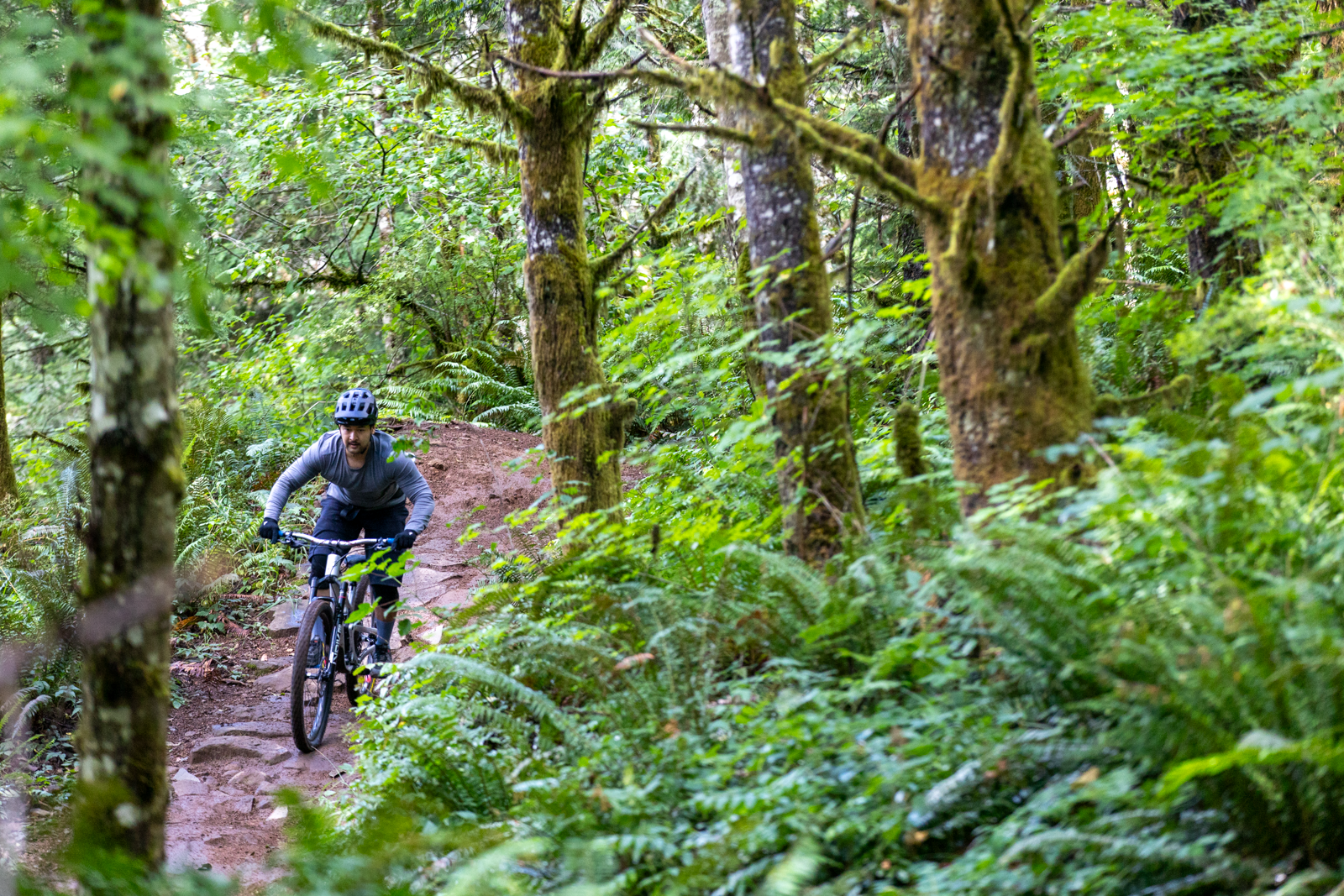
Advice for New Riders
If you’re new to mountain biking, here’s what I’ve learned:
A good hardtail will teach you more about line choice, body control, and traction than any full suspension.
If your local trails are smoother or you’re just starting out, a hardtail is unbeatable for simplicity and skill-building.
If you’re riding more aggressive terrain or struggling with fatigue, upgrading to full suspension can completely change your experience.
Transition Tip:
Try both bikes on your usual trails before deciding. You’ll instantly know which one suits your style. A solid hardtail is better than a budget full suspension any day.
The Big Picture
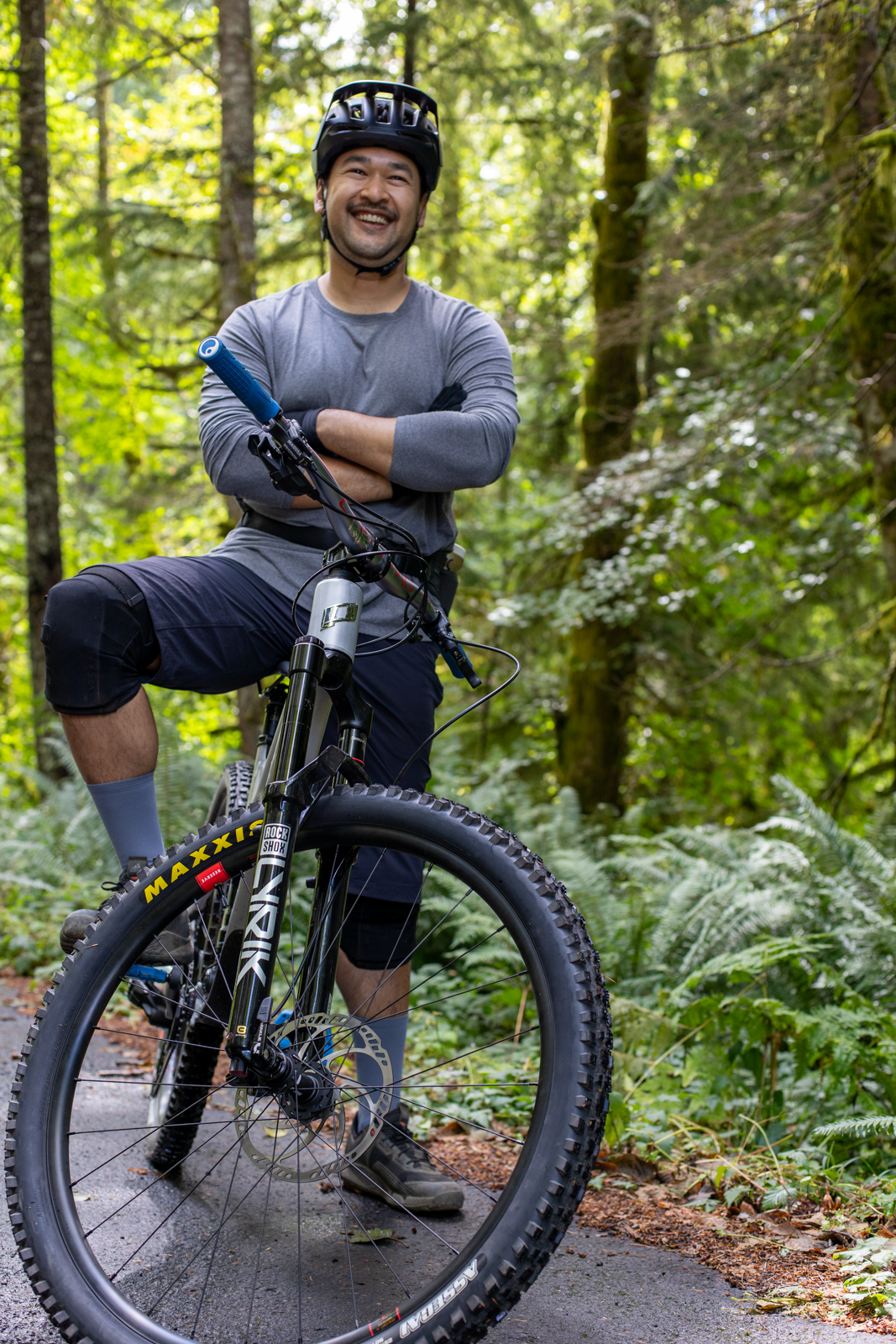
After about a dozen rides on the Propain Tyee, my perspective on mountain biking has totally shifted. My body feels better, I’m exploring new trails, and I even hit my first bike park at Mt. Bachelor something I’d never have attempted on the hardtail.
I’ve always loved being underbiked, but now I’m looking for new places to be “underbiked” on my Tyee. It’s the perfect blend of forgiveness, fun, and capability and it’s keeping me excited to ride every weekend.
