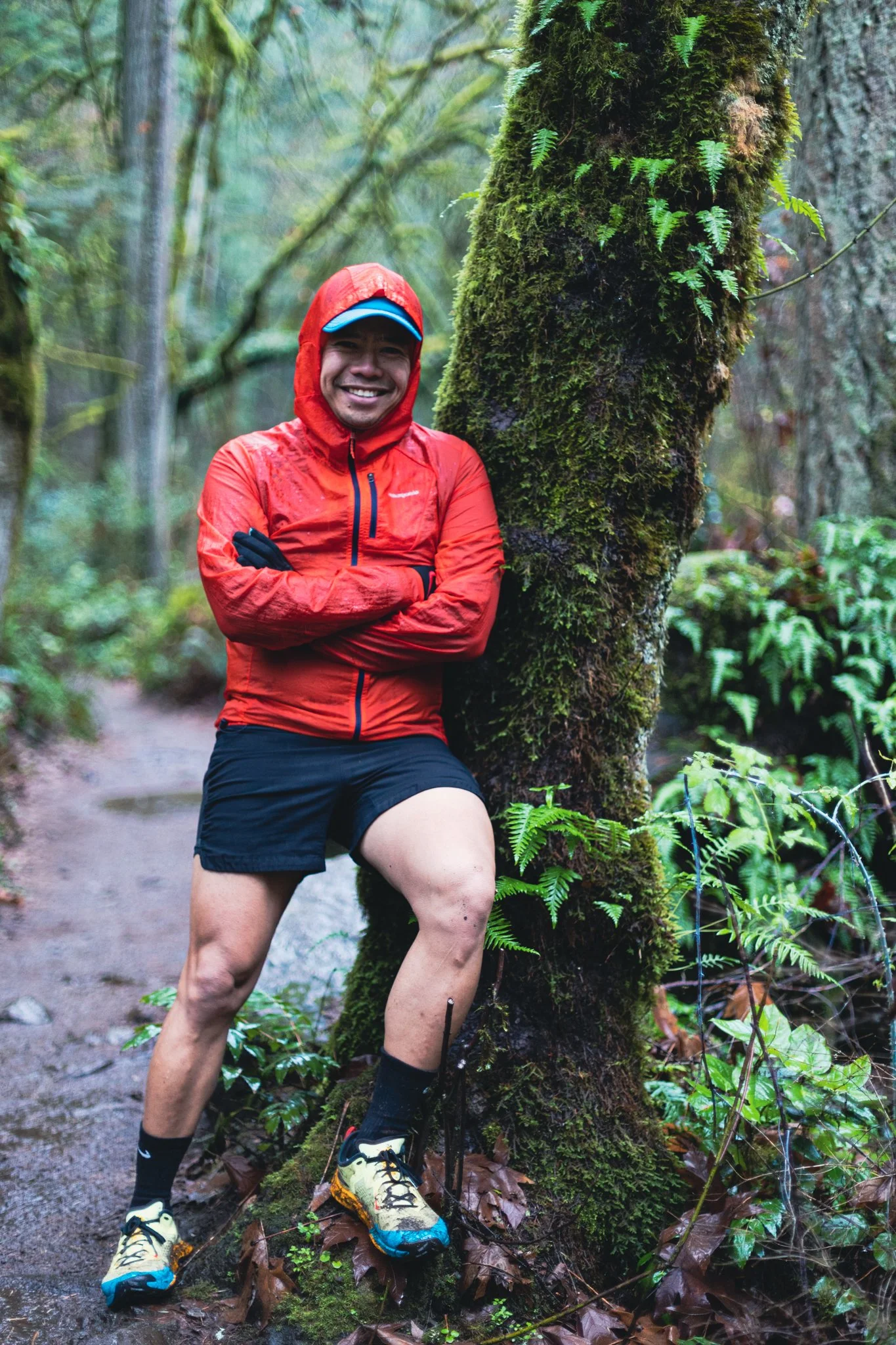
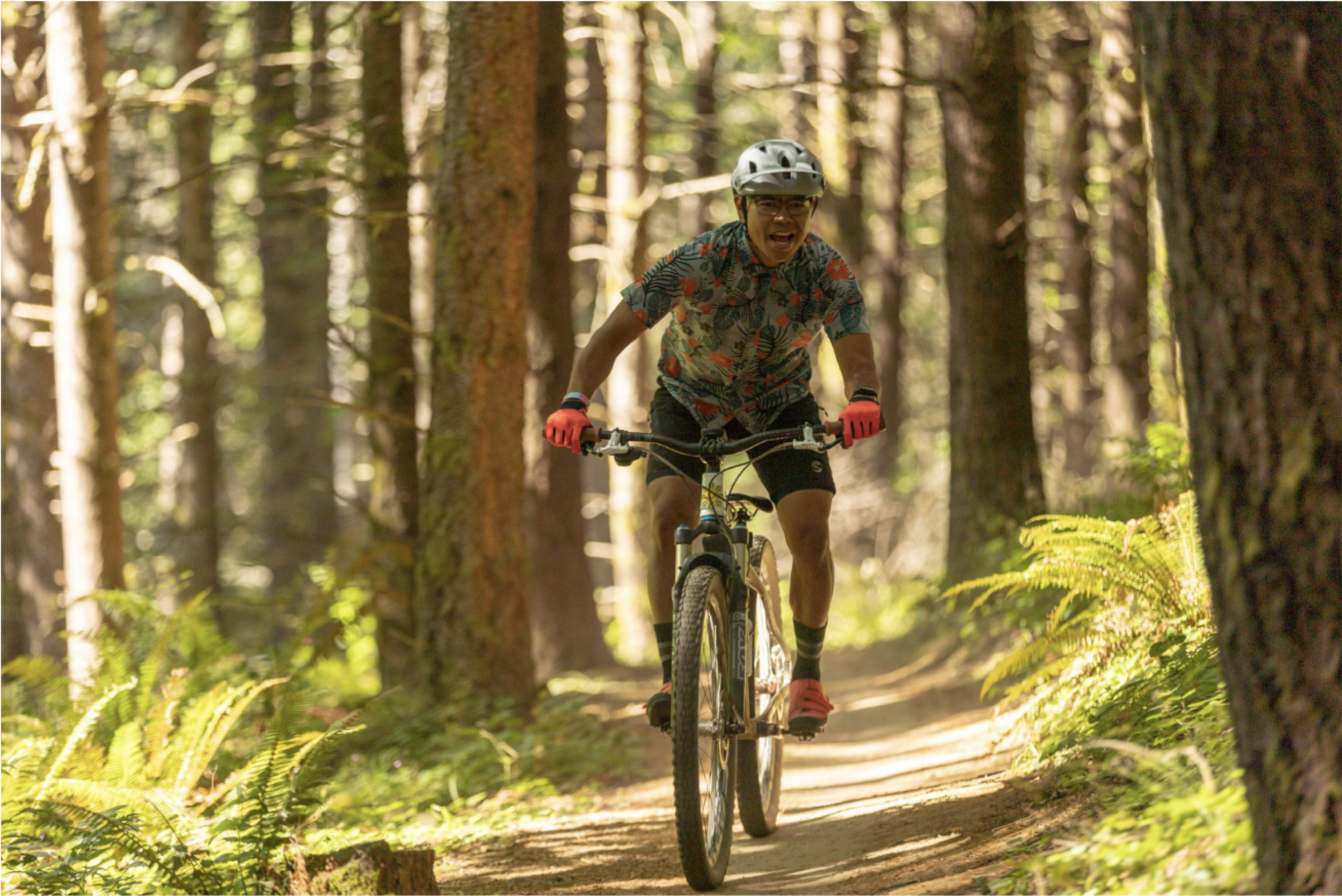
I first met Will as I was organizing BIPOC group mountain bike rides in the Portland area. A mutual friend introduced us and we organized a few BIPOC mountain bike rides last summer. It worked out great because NWTA president Juntu Oberg became involved and a few people from Will’s BikePOCpnw group also joined in to get some off-road time in the woods with us. Will is an amazing and passionate advocate for the BIPOC cycling community and an all-around awesome person. I am grateful to have him as the first story on Warpaint. Here is what Will had to say to our interview questions.
Name: Willam Sarcos Cortez (call me Will)
Pronouns: he/him/Siya
Age: 44
Hometown: I currently live in Portland, Oregon. I was naturalized as an American Citizen in ‘85.
Ethnicity: Filipino & Chinese
Pets: Ume Boshe is my 6-year-old calico cat. She is my princess.
Can you please tell us a little bit about yourself Will?
When I meet new coworkers, I often introduce myself as a professional committee member. Seriously, I have this knack for being flexible, adaptable, and collaborative…all of which makes it easier for me to find my way in a sea of new faces and personalities. I’ve often wondered where this superpower came from.
I was born in the City of Olongapo, in Zamabales Province of the Philippines. At the time, the United States military had an absolute stranglehold on my country of birth. An island nation, the Philippines proved to be a key location in the South Pacific for the US to further flex its imperialistic machinations. Seeing it as a way to escape poverty, my father enlisted in the US Navy, thus securing his American citizenship and bringing all of us with him. The next decade and a half for my family was a story of constantly moving, scraping by, trying to assimilate, in-fighting, sexual abuse, domestic violence, and ultimately I found myself in a court room testifying against my father for the years of abuse he put us through…all in pursuit of the American Dream.
I told myself, I’m never going to be him. I can’t.
It was during this period in my life when I got into cycling. I was angry and lashing out at the world and got into lots of trouble outside of school. It was enough that I was required to check in with a counselor at county juvenile services once a week for several months. There was no way I was going to be able to get a ride so I got a bike and started making that 8-mile round trip on my own.
Fast forward and my life has brought me to my current role in local government. I like to think my role is part convener, facilitator, and fighter. I manage ADA & accessibility projects for parks and nature in an effort to increase access for the disabilities communities. I bring a lens of disability justice, racial justice and climate justice to everything I do in my professional and personal life.
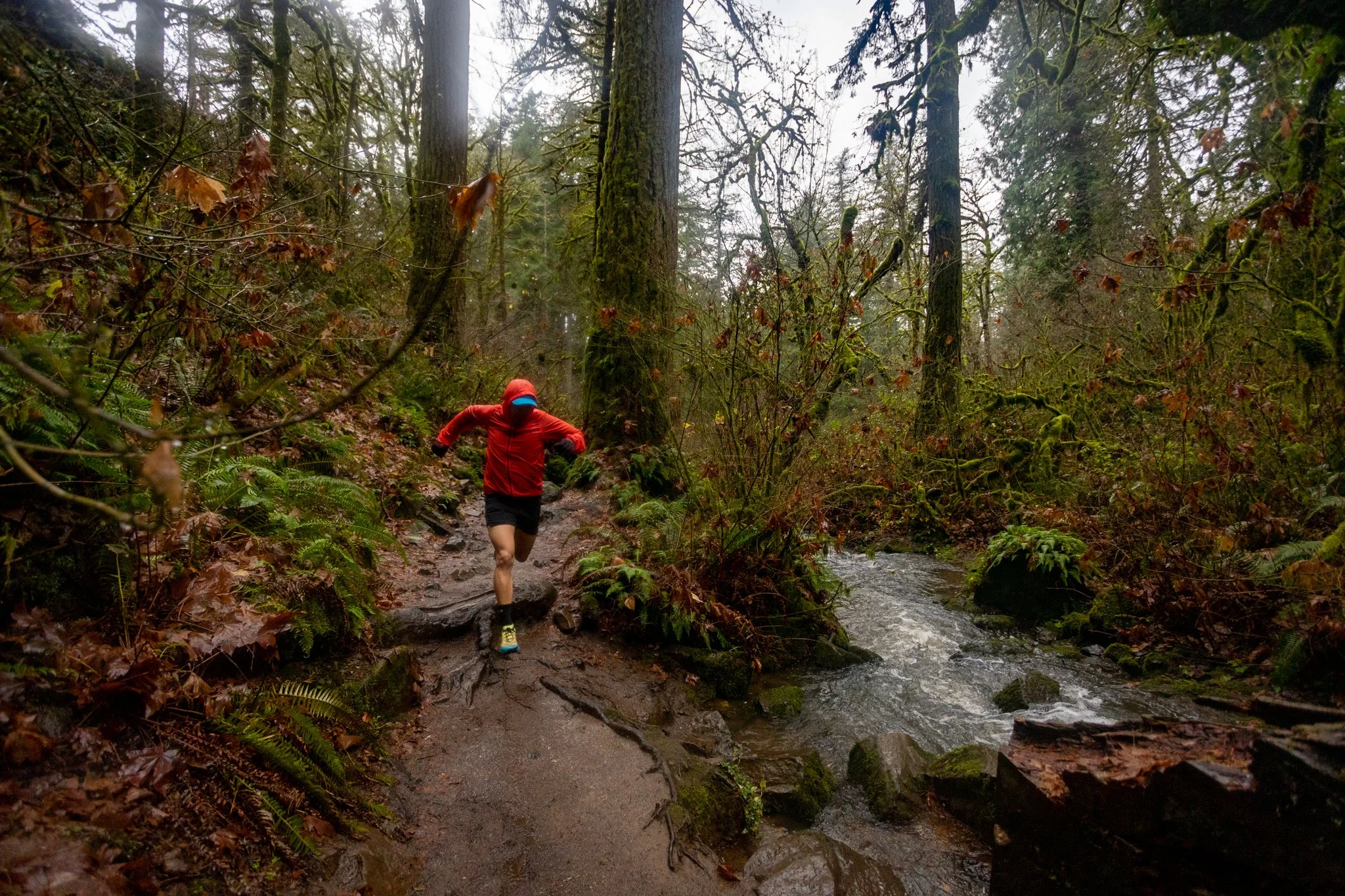
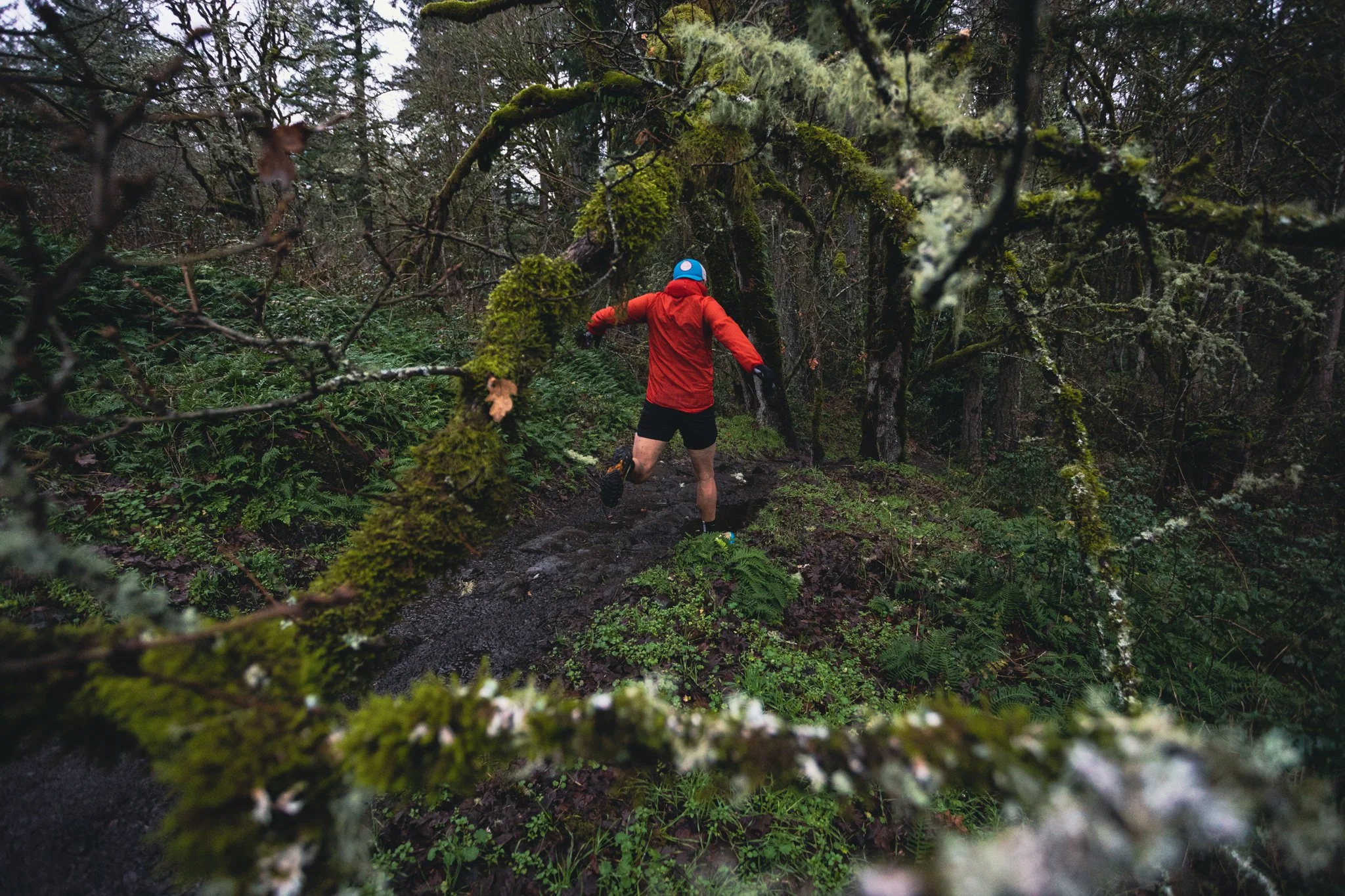
Creekside Rainy Day Running
How did you get into your sports?
I’ve tried my hand at lots of sports and became proficient in very few of them.
Soccer/futbol was one of those sports that had such a low barrier for entry. You needed a ball, someplace to kick around and some friends to play with…done. I ended up playing for almost 25 years of my life. I even got into coaching high school girls soccer and at the club soccer level. Eventually I had to walk away from the sport entirely in 2017 due to a combination of nagging injuries and changing life priorities. It was about that time I recommitted myself to cross country (XC) mountain bike racing.
I’ve been riding bikes for 28+ years. I’ve been racing cross country (XC) mountain bike since ‘06. It was obvious from the start that I was on the outside looking in but it still felt more comfortable than it does today. Why? Back then we were still riding 26” wheels and rim brakes. There was real camaraderie around the sport since everyone was basically on the same shitty bike. The focus was on skill and fitness.
Well here we are in ‘21 and the industry has introduced an obscene amount of technology at even more obscene prices. Races have become absolute shitshows as weekend warriors posture and pound their chests. Gone is the post-race chit chat about life, family, friends…only to be replaced by the inane rambling around bike weights, space age materials, high-altitude training rooms, the latest adventure van gadget, cycling vacations and on and on.
Mountain biking continues to be dominated by cis-gendered, middle-aged, white men. I had a great start to my ‘21 XC season here in Oregon but quit after four races in a seven race series. I was fed up with subjecting myself to that environment. I was done lining up and seeing no one else who looked like me.
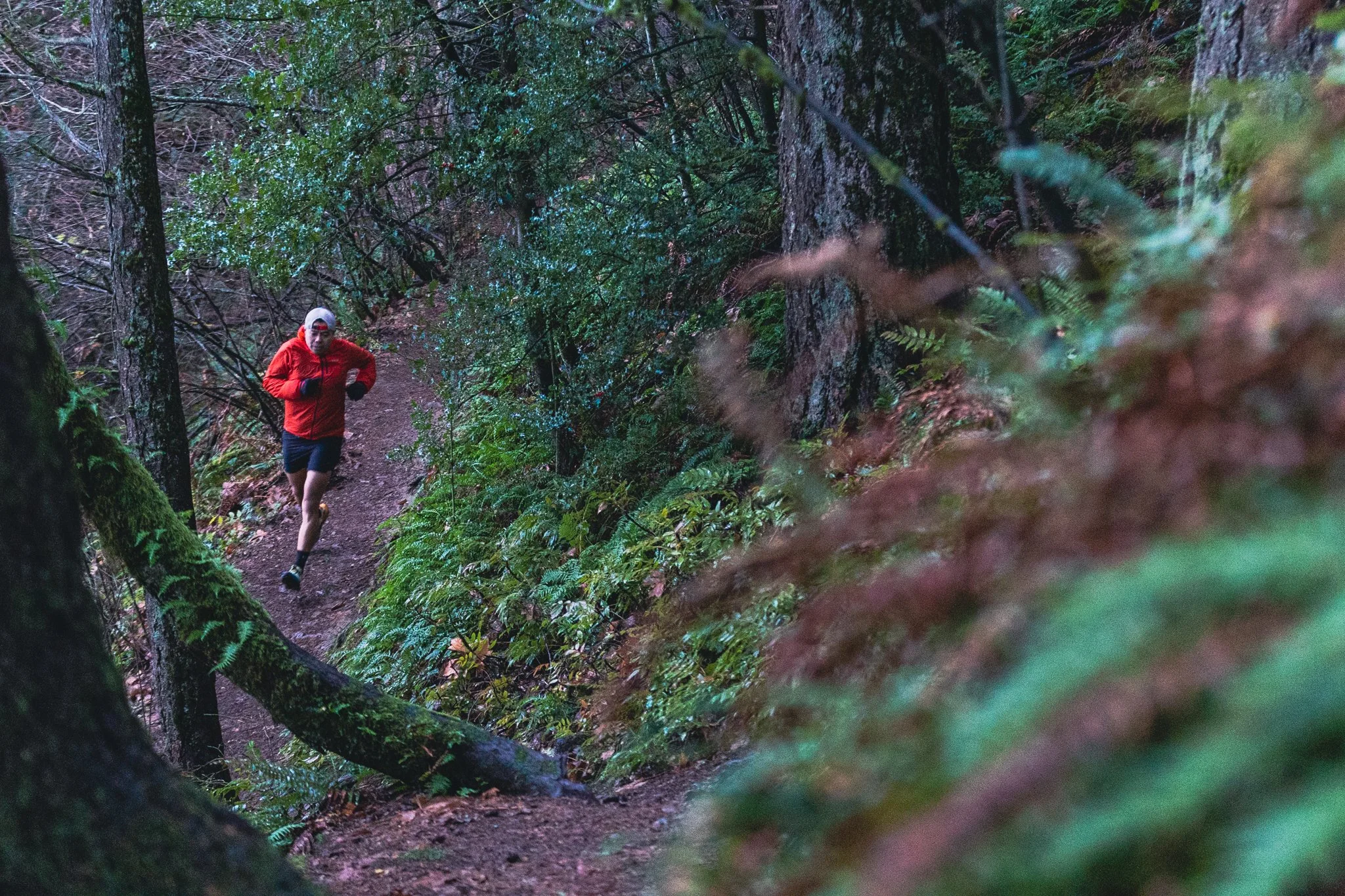
I think this is why I’m so drawn to trail running. Like soccer/futbol, the barrier to entry is really low and it still gives me the opportunity to connect with nature. Dirt Church if you will. I spent many years as a race promoter because I loved the running community so much. I even served as the vice president & director of race operations for a local running club with several hundred members. I’ve completed a couple trail half-marathons as well as a couple of trail 25K races. I even traveled for my first road half-marathon to Des Moines, Iowa.
Can you share with us any organizations you might be involved with that are helping to diversify the outdoors? Can you describe how it has helped you and the community?
In January of ‘21, I crafted an email that has proved to be life-changing for me. In response to the local cycling community’s inability to see how BIPOC folks move through the world differently in outdoor spaces, I reached out to several folks with the idea of hosting our own rides. BikePOCPNW was born.
With the labor and love of other like-minded BIPOC cyclists, we drafted group values:
We create a brave and healing space for BIPOC folks to ride.
We increase accessibility to riding by building up the community.
We hold ourselves accountable for behaviors that uphold/replicate white supremacy, patriarchy and any other forms of oppression.
We center women, trans, femmes, and non-binary folks of color.
We believe survivors of abuse and other types of harm.
We acknowledge and respect that the land we ride on is stolen from indigenous peoples.
We accept that this space is a privilege and not a right, and as such, when harm is done, it can be revoked.
We accept that intent never equals impact.
Through this group:
We hosted an AAPI ride in Portland that brought out almost 300 riders
We plan and lead four rides a month:
WTFNB of color ride - focus is on community
Mountain bike ride - focus is on taking up space outdoors
Party pace ride - focus is on fun and learning about the area
Adventure ride - focus is on exploring
I’ve had the opportunity to speak on panels on the following topics:
Making safe space in the outdoors for the Intertwine Alliance
Equity in transportation for the Westside Transportation Alliance
We received the Elizabeth Jennings Graham Transportation Justice Award from The Street Trust.
We partnered with Depave to do a planting at Powell Butte Elementary, a Title 1 school in southeast Portland.
I’ll never be able to capture what this group has done for the community but I can tell you what it’s done for me. It’s taught me to lean into discomfort. It’s brought more beautiful humans into my life than I ever thought possible. It’s been a lesson in patience and listening. I was a teacher for eight years and when tapped for advice on life, school, etc…I repeated the same thing…don’t do this on your own. Find your community. This is my community.
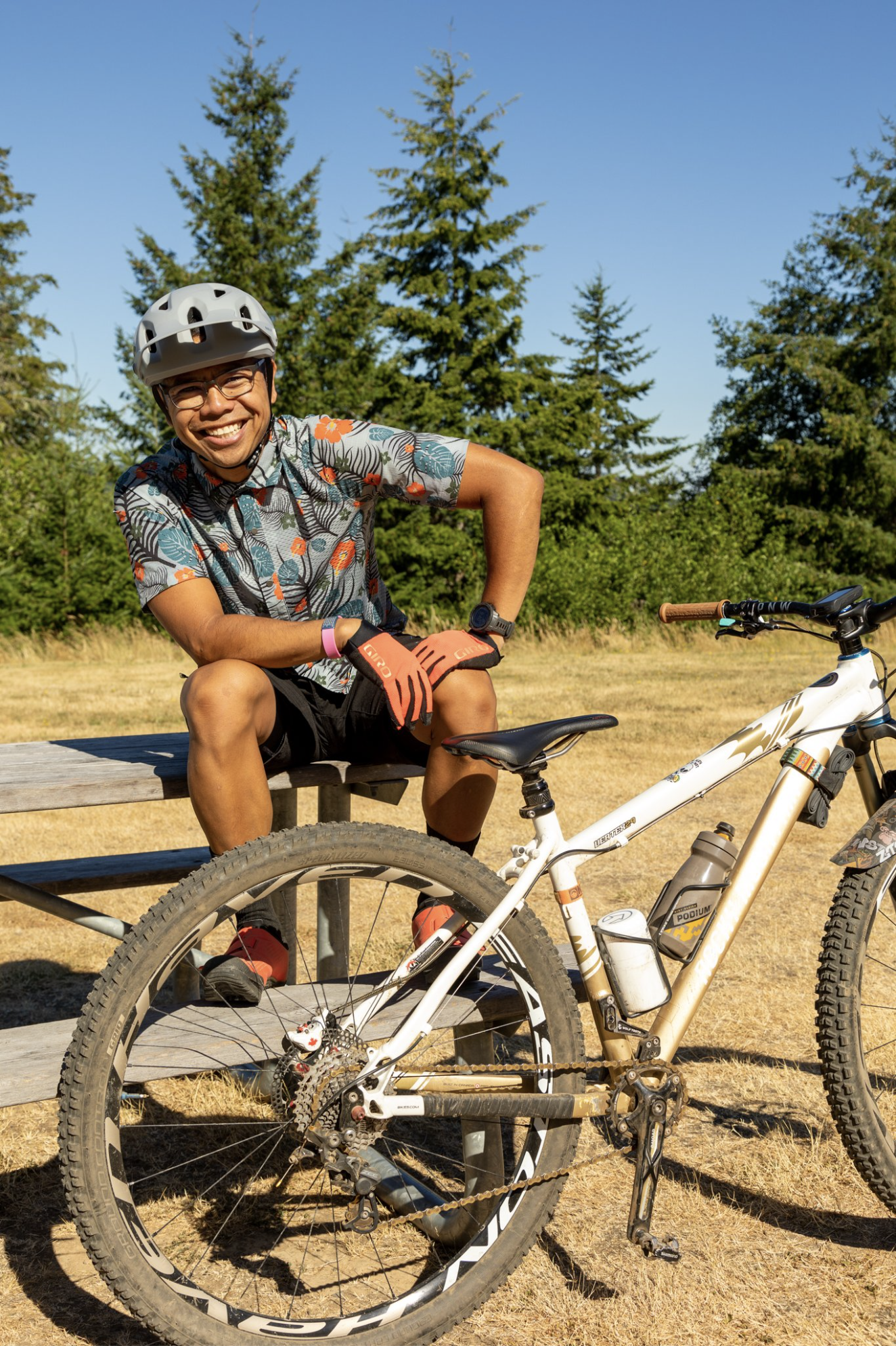
Is there anything that you would like to share about your journey stepping into the outdoors scene?
Prior to BikePOCPNW, I moved in outdoor spaces with a mixture of dread and anxiety. Recently I heard someone speak on recognizing his privilege as a white man in this world and this is what he said, “Privilege for me is not about what I had or have in my life. It’s about what I don’t have to give up when I walk out the door.” That resonated with me. I give up safety.
When I’ve recreated in outdoor spaces, my safety net was to surround myself with white people. If I was going to go solo, it was an inordinate amount of planning and mentally prepping. What am I going to do if someone harasses me? What am I going to do if someone threatens me with bodily harm? What can I carry for protection that won’t get me into trouble? What do I wear to fit in and disappear? Everything was about safety and thinking like that is so damn exhausting.
The amount of labor involved has kept me from wholeheartedly enjoying myself in outdoor spaces. There have been a handful of moments where I even retreated and never made it outside.
Do you have any comments on our intention? Do you agree or disagree with there being a lack of media coverage of people of color in the outdoors?
The “browning” of outdoor media after the murder of George Floyd and the Movement for Black Lives came hard and fast. Those who genuinely wanted to make a change were drowning in a sea of virtue signaling by companies and organizations that immediately placed brown people front and center in ads. It was next to impossible to find out who were real allies when so much performative allyship was on display.
It continues even now as 2021 is about to wrap up and we have to bear witness to empty land acknowledgements by supposedly woke groups and individuals. Outdoor sports advocates are taking up the fight to gain more access to natural spaces to build bike trails and hold events, and so on while skirting the issue of stolen lands.
It’s highly suspect that we went from zero BIPOC representation in outdoor media to an avalanche of representation. Personally, I am having to remind myself that I need to just go along with this…even if the initial intentions by the outdoor media were disingenuous. It’s good that people see more BIPOC faces in print and digital ads for outdoor recreation. We’ve always been here.
